
GDPR-compliant websites and web apps, written into the code.
Notices based on how you actually process data, traceable consent, protected data. Not a PDF to sign: measures that actually work.
Sound familiar?
And what not knowing costs you.
You don't know whether your site is really GDPR-compliant.
You find out the day a user or an authority asks about their data. And you answer in a rush, without knowing what the site actually does.
There's a cookie banner, but you don't know what it loads before consent.
If a pixel or an analytics script fires before the yes, the banner doesn't protect you. And your cookie policy describes a site that isn't yours.
You collect emails and data without a clear legal basis.
You can't use that list with confidence. If someone asks how you got their address, you have no proof to show.
What we do
Compliance audit
What data you collect, where it goes, with which tools and on what legal basis, and what's missing to be compliant.
Compliance in the code
Consent, notices, retention and security implemented in the site or app, not just documented.
Also
Privacy and cookie policy
Written on how you actually process data.
Consent management
Compliant and traceable.
Data security
Encryption and access management.
What we can show you
This site has no cookie banner: we don't use anything that would require one.
Our own site
Technical cookies only, no tracking. It's the choice we suggest to clients too, when possible.
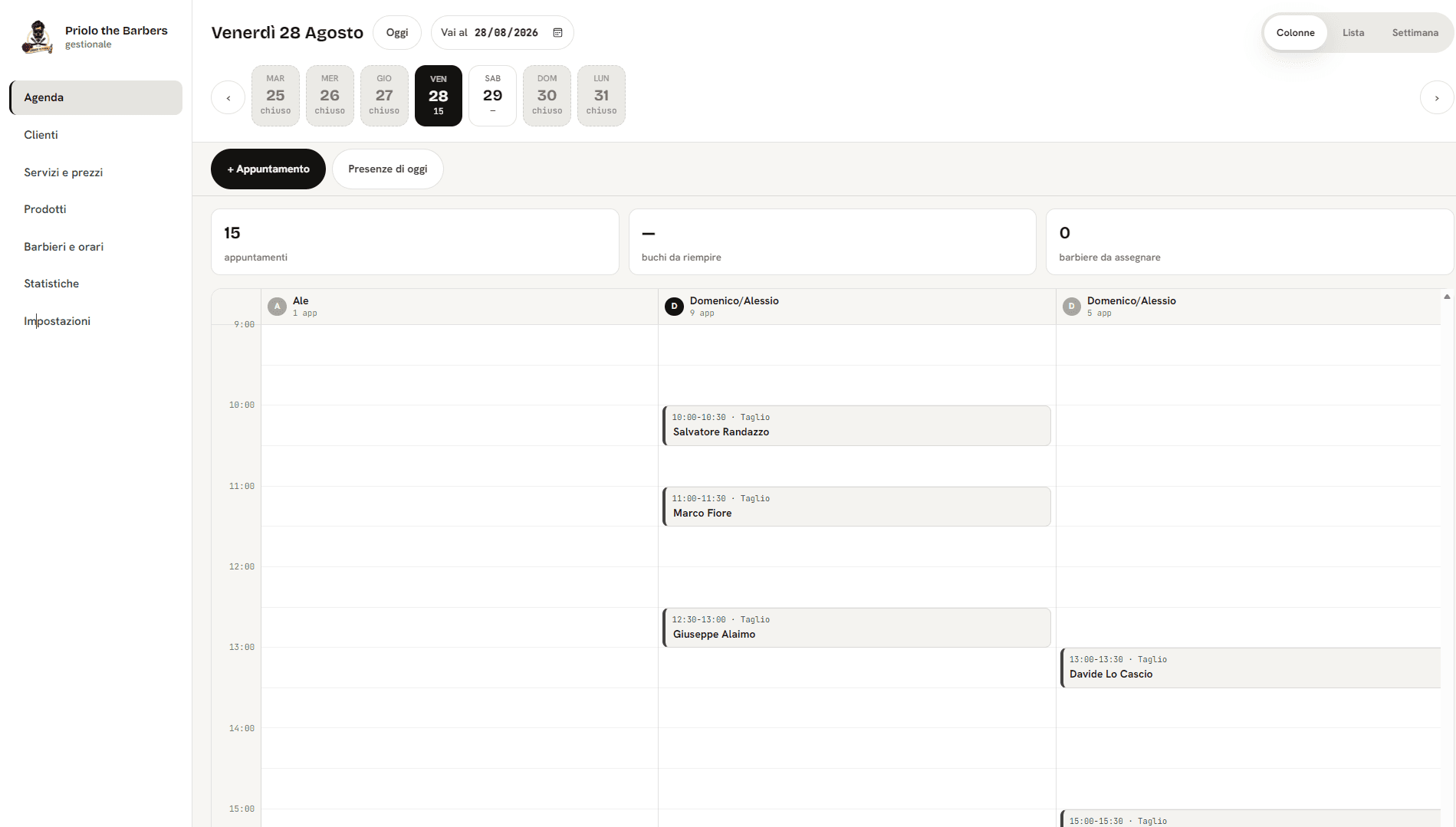
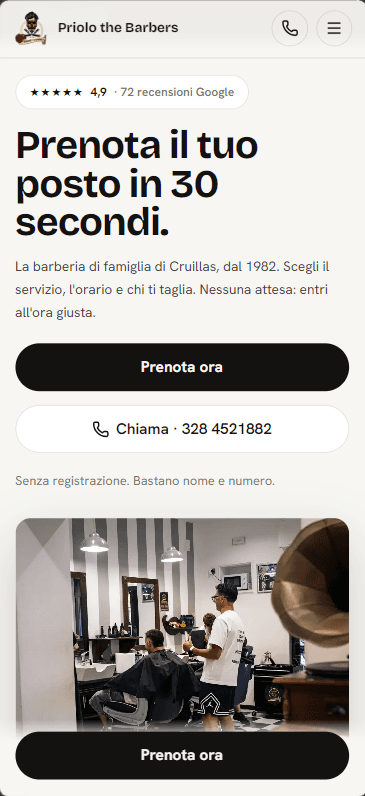
Online booking with no cookie banner, because the site uses nothing that requires one.
Priolo the Barbers · Palermo, since 1982
Case study →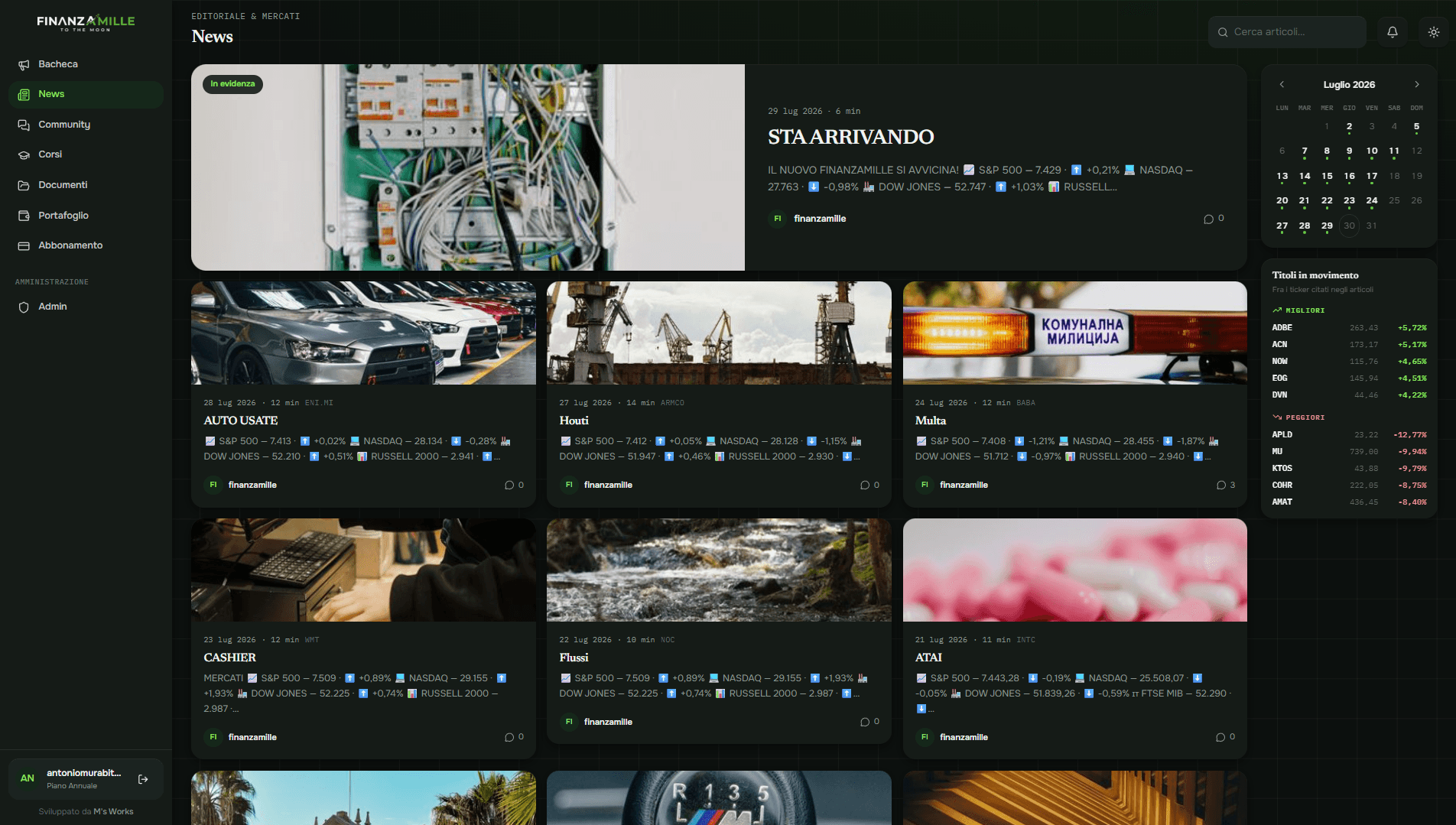
Why not an online generator, or a law firm?
They're fair choices, and sometimes they're enough. Here's what changes when the person looking is the one who writes the code.
| What matters | Privacy notice generator | Consultant or law firm | M's Works |
|---|---|---|---|
| What it looks at | The answers you give in the questionnaire. | The documents and what you tell them. | The code, the cookies and the vendors the site sends data to. |
| The banner and consent | Often there's a ready-made banner, which has to be wired properly to the site's scripts. | Tells you what's needed. Building it into the site is up to whoever develops it. | We build it into the code and check what loads before the yes. |
| Legal questions | Ready-made text, to adapt to your case. | That's their job: they give opinions and sign off. | We don't give legal advice: we work with your lawyer. |
| When the site changes | You update the questionnaire, if you know what changed. | It gets updated when you tell them. | If we look after the site, the notice and the code change together. |
What it looks at
M's Works: The code, the cookies and the vendors the site sends data to.
Privacy notice generator: The answers you give in the questionnaire.
Consultant or law firm: The documents and what you tell them.
The banner and consent
M's Works: We build it into the code and check what loads before the yes.
Privacy notice generator: Often there's a ready-made banner, which has to be wired properly to the site's scripts.
Consultant or law firm: Tells you what's needed. Building it into the site is up to whoever develops it.
Legal questions
M's Works: We don't give legal advice: we work with your lawyer.
Privacy notice generator: Ready-made text, to adapt to your case.
Consultant or law firm: That's their job: they give opinions and sign off.
When the site changes
M's Works: If we look after the site, the notice and the code change together.
Privacy notice generator: You update the questionnaire, if you know what changed.
Consultant or law firm: It gets updated when you tell them.
The first step is a free check.
Tell us which site or app you want checked. In the preliminary check we look at what it really does with data and tell you what to fix first.
- A reply within 24 hours.
- A first call and a preliminary check, both free.
- What the site loads before and after consent.
- What's missing, in order: real risks first, formalities after.
- If a full audit of data and vendors is needed, we tell you first, with the cost.
The first call and the preliminary check are always free. The full audit has a cost, which you only pay if you don't go ahead or give the work to someone else.
- 01DiscoveryWhat data you collect, where it goes and on what legal basis.
- 02Gap analysisWhat's missing and how serious it is, in order of priority.
- 03RemediationNotices, consent and security implemented, not just written.
- 04DocumentationA record of what you process, how and why.
your site or app collects data, through forms, bookings, newsletters or payments, and you want to know whether it does what your privacy notice says.
you need a legal opinion, or someone to sign off in place of your lawyer. That's a law firm's job, and we're happy to work with yours.
Before starting, people ask us
“I already have a privacy policy.”
The document isn't enough if the site does something else: we check what really happens in the code.
On the Animatio site, the translation library wrote a cookie by default. We removed it: today the site sets none at all, and the cookie policy tells the truth.
The case study →“It's just paperwork.”
We separate real risks from formalities, and tell you what to fix first.
A large share of Priolo the Barbers' customers are elderly. The site uses nothing that needs consent, so it has no banner: one less obstacle before booking.
The case study →“Someone else built the site.”
It doesn't matter: we're developers, we put compliance into the code you have.
Finanzamille started out on a no-code generator. We read the code page by page, and wrote the privacy notice, cookie policy and terms from what the code actually does.
The case study →What people ask us
No, and we don't give legal advice. On questions of interpretation we work with your counsel; we implement the technical side.
No. A banner that loads scripts before consent stays non-compliant, however good the privacy policy.
A clear picture of what you process, how and why: what you need if anyone asks.
Is your site really compliant?
We'll run a compliance check on your site or web app and tell you what to fix.